Hidden Patterns
We don't usually struggle with what we can see. We struggle with the patterns running underneath — the ones we picked up so early we mistake them for who we are. Every Saturday, a 5-minute read on how I find mine.
The Lie Behind My Perfectionism
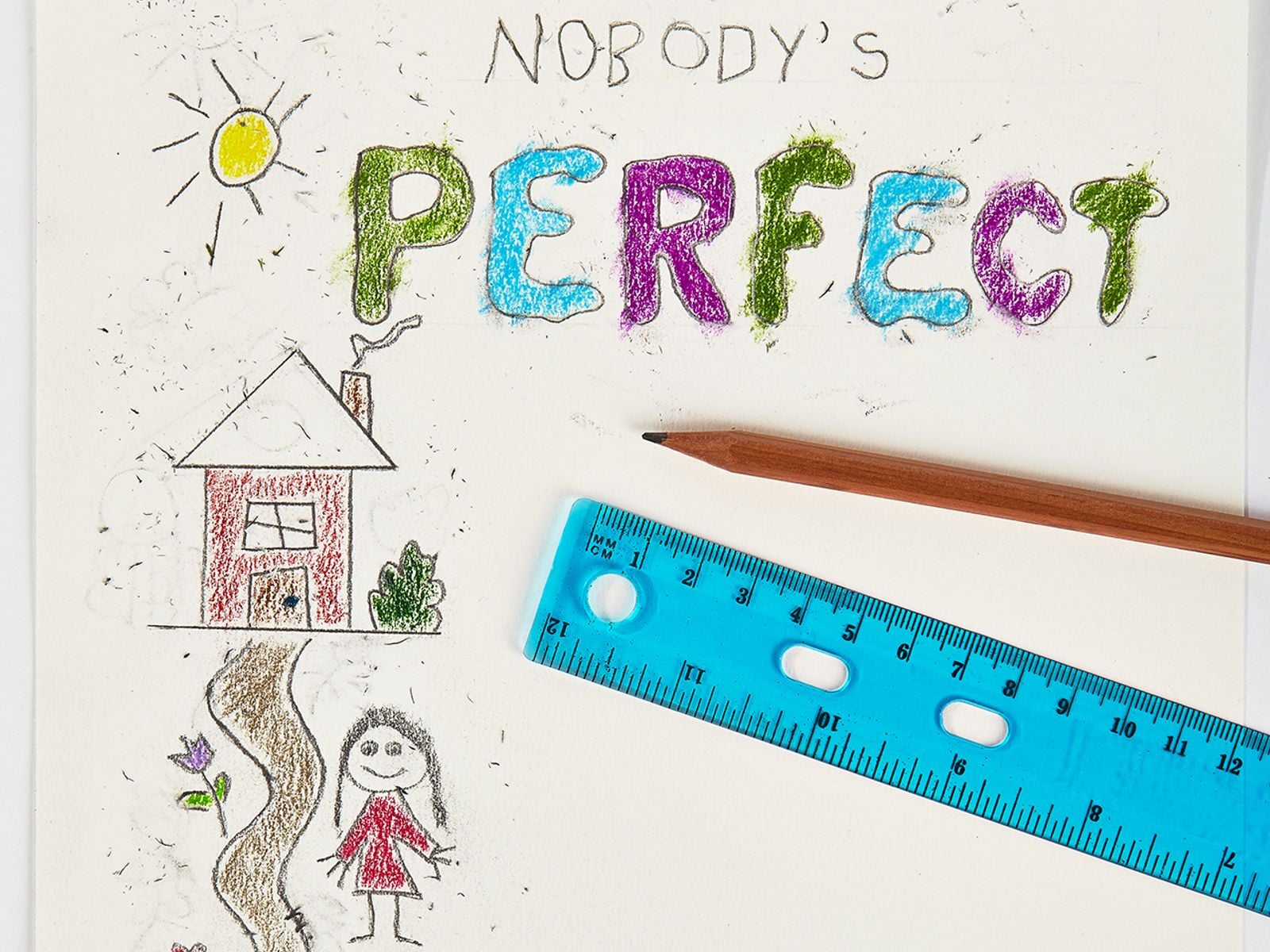
A symptom of my lack of self-acceptance...Alex Hormozi (Business Influencer) has a line about starting something new: "Embrace the cringe. You will suck, and it will be embarrassing." I've been sitting with that, because now that I'm starting a podcast, I can hear my inner critic getting loud. It wants every piece to be perfect. It doesn't want me to suck. It doesn't want me to be embarrassed. I thought it was "High Standards"I just care about doing things right. But those "high standards" had me spending days on a video less than a minute long. Obsessing over a single post that maybe a few friends would ever see. That's not high standards. That's something else. The Critic is a SymptomThe perfectionism's intentions are good. It's trying to protect me. From sucking. From being judged. From rejection. But when I zoom out, I see what it's really pointing at. The perfectionism isn't the problem. It's a symptom. Perfectionism only shows up when there's a threatHere's the belief I was living under without ever saying out loud: The absence of perfectionism is danger. I thought the perfectionism was just "High Standards". That I'm not safe. That anything less than perfect puts me at risk. Perfectionism was never focused on quality. Connecting the dotsSo here's the chain I realized: I wanted to protect myself from danger — specifically, from rejection. Subconsciously, I thought "be perfect, and you are safe". But chasing that perfection became its own rejection. And that's the twist: The real danger was never rejection from other people. It was the rejection happening inside me in a reaction to feeling unsafe. The perfectionism was never the root. Letting it RestNone of what I make will be perfect. So when I see myself wanting to strive for perfection because I feel unsafe, I simply sit with the feeling and allow it to be safe in my body. If I am safe or not I let the feeling of unsafe be safe in my body without me trying to fix, hide or cover up. I'm safe with me here. With the acceptance, the perfectionism finally gets to rest and the weight that of "the cringe" that Alex Hormozi was talking about becomes much lighter. A thought for this week: Where is your inner critic the loudest? I'd love to hear your response. ❤️ Have a great Saturday! — Tom P.S. — I'm building the room I wish I'd had. For a while now I've wanted a space for people doing this exact work — building something real without letting the inner critic, the perfectionism, or the burnout run the show. So I made one. It's called Build On Purpose, Not Burnout — weekly grounding calls, workshops, and a community of givers and creators figuring this out together. Right now I'm hand-picking the first founding members, and I want the right people in early. If that's you, reply to this email with "I'm in" and I'll send you the details. I'm reading every response personally.
|
Hidden Patterns
We don't usually struggle with what we can see. We struggle with the patterns running underneath — the ones we picked up so early we mistake them for who we are. Every Saturday, a 5-minute read on how I find mine.